
Cathedral of the Assumption of the Blessed Virgin Mary
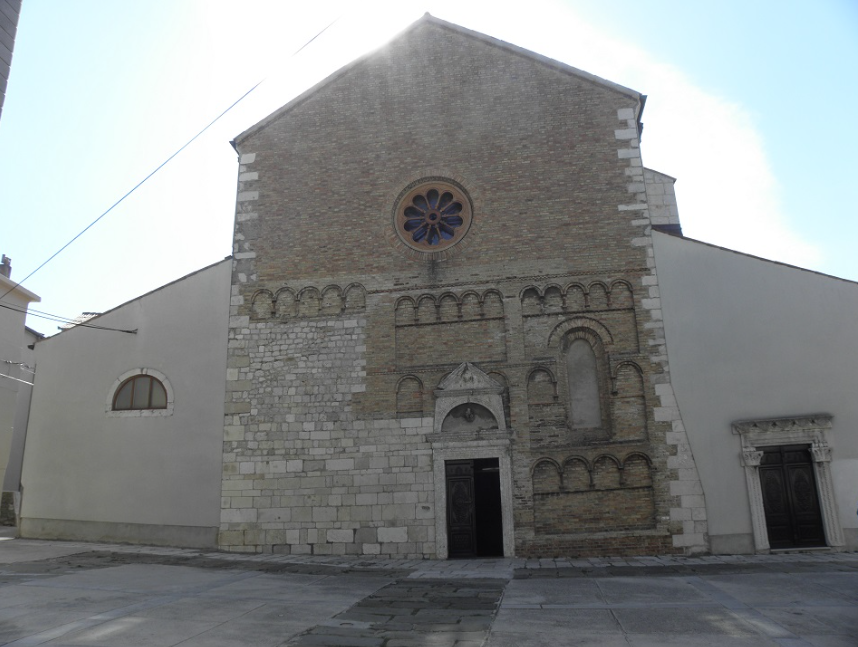

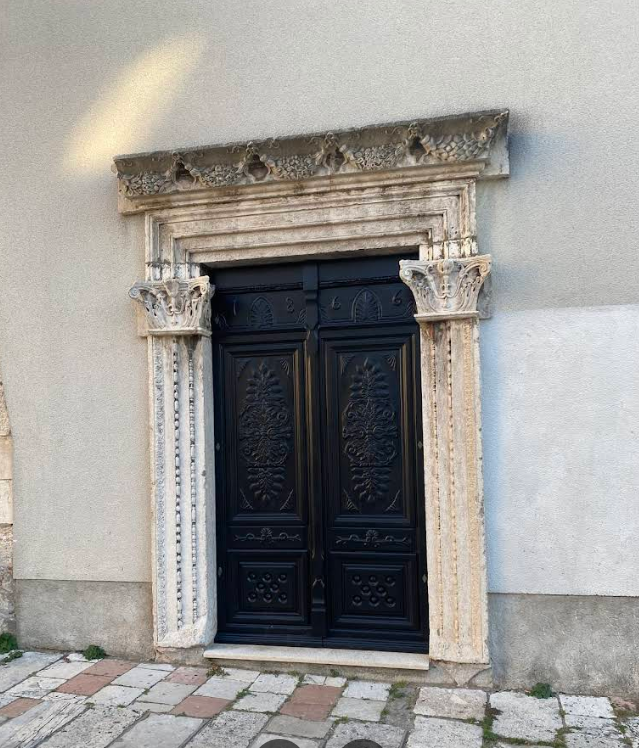
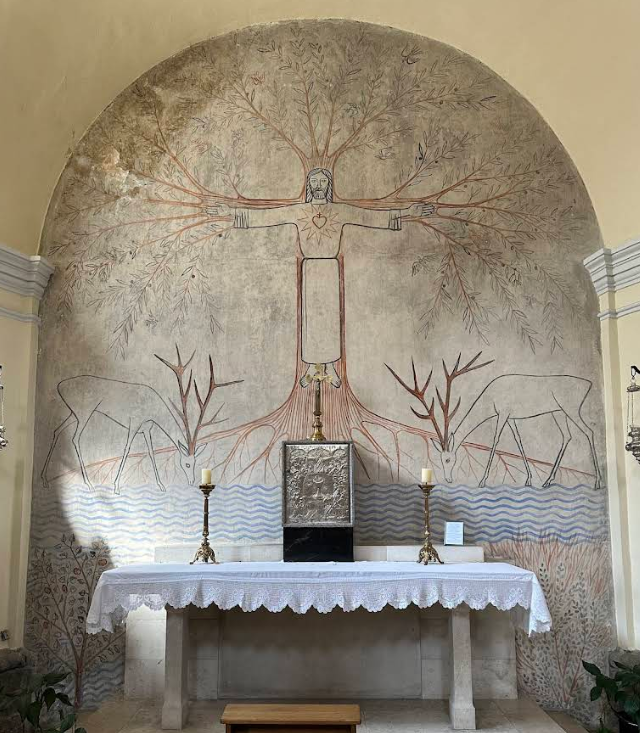
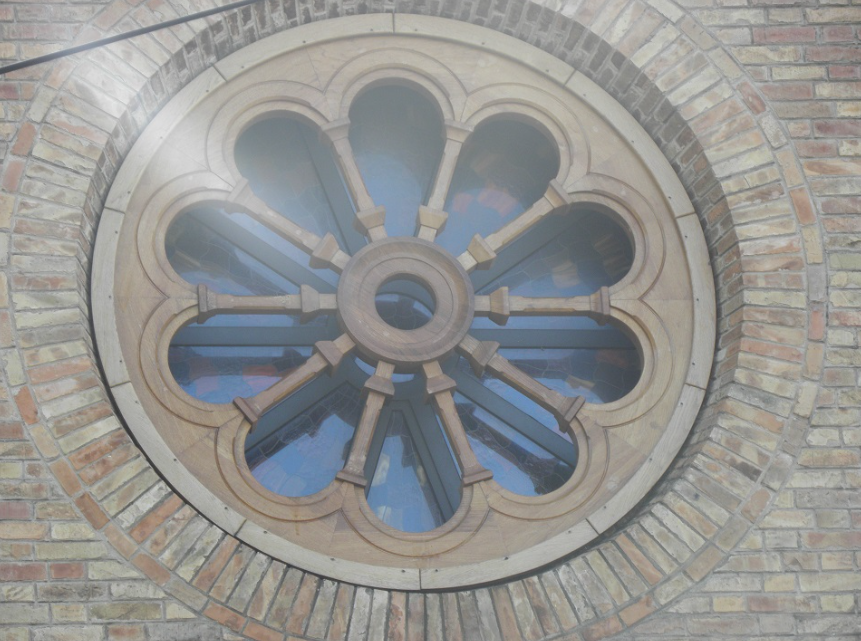


The Cathedral of the Assumption of the Blessed Virgin Mary holds great value as an architectural monument of the past and is rightly regarded as the most important landmark of faith and culture in the city of Senj.
It was built in 1169 as a single-nave Romanesque basilica on the foundations of the pagan sanctuary of Magna Mater, and later an Early Christian structure from the 4th–5th century. The remains of these structures were discovered behind the sanctuary, about 1.5 meters below ground.
Until the mid-18th century, the facade and southern side of the cathedral were adorned with beautiful Romanesque arches and niches made of fine brick, reflecting the influence of Northern Italian architecture in the Primorje region.
The most valuable monument in the cathedral is the tomb of Senj Bishop Ivan Cardinalibus (†1392), located above the entrance to the sacristy and crafted in the style of a Gothic wall tomb.
Among other monuments, the relief of the Holy Trinity is especially significant, originally from the Church of St. Peter. In the lower part of the relief is the checkered coat of arms of the noble Perović family from 1491, notable because it represents the earliest known version of the Croatian national coat of arms, which was officially adopted in 1527.
During World War II, the cathedral suffered severe damage, leading to the loss of many artworks and part of the Senj Chapter’s archives.
The cathedral received its present appearance during restoration in 1949 and 1950.
Beneath the main altar are the tombs of Senj bishops Pohmajević, Ožegović, and Maurović. Beneath the right aisle, in the underground crypts, are the graves of Senj citizens, dating from the late 18th to the mid-19th century.
To the southwest of the church, the city cemetery was located until the 18th century. This area is still referred to as Cimiter today.